How Often Should a Washington Jobsite Toilet Be Serviced?
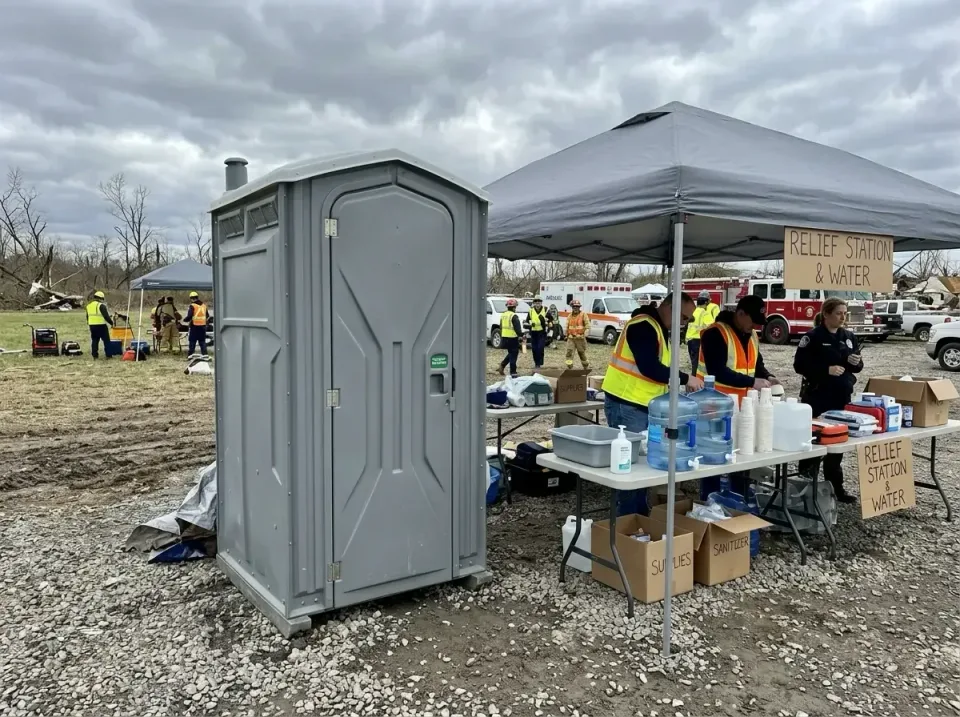
A missed service or a unit that fills too quickly is a sign to adjust the schedule to actual use, not just the calendar. Start by counting daily users, tracking how quickly the holding tank fills, and noting whether handwashing supplies run low. In Tumwater, mild, wet winters typical of western Washington can make muddy access harder for service vehicles, so leave a clear route to each unit.
Cool, wet weather may increase servicing needs when crews spend more time on site or conditions change how the unit is used. Near the Washington State Capitol, consider visitor patterns as well as staff counts when planning temporary facilities.
-
Count users: Record the number of workers or guests using each unit on a typical day.
-
Watch the unit: Note odors, tank fullness, and toilet paper or handwashing supply levels.
-
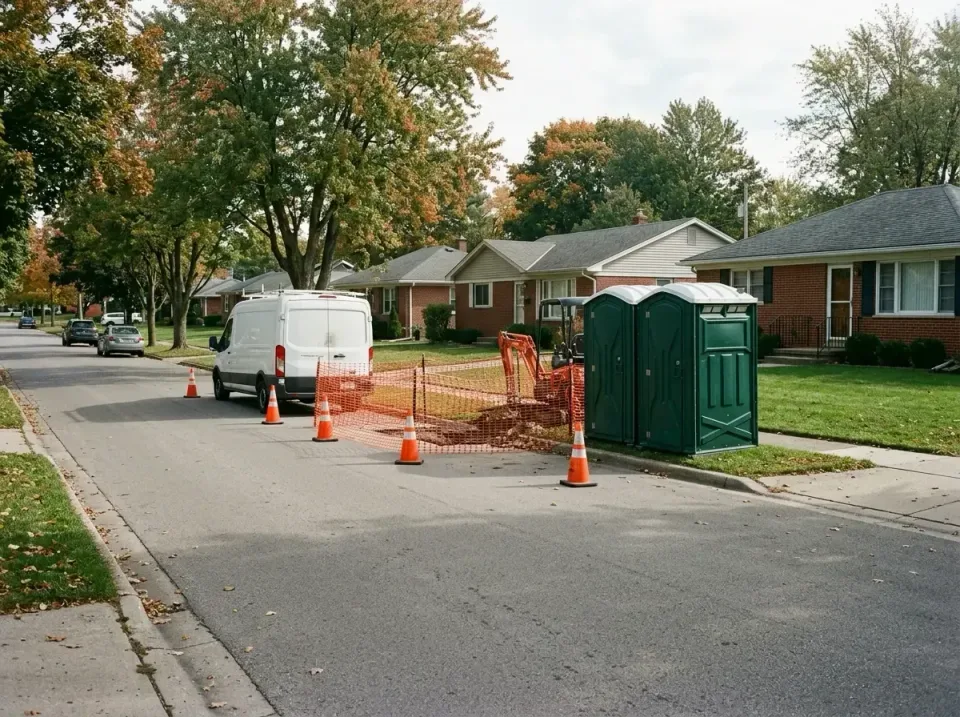
Review access: Keep the service route open when rain makes the ground soft.
Share those details with Washington Toilet Rentals so we can recommend a schedule and coordinate service.
What Does Black Hills High School Teach About Usage?
A restroom that starts the day clean but smells unpleasant by afternoon may need more frequent service, more units, or both. Start with the daily headcount and watch for peaks rather than relying on a weekly estimate alone.
A crew that grows mid-project can change tank demand quickly; a public event may have sharp arrival and departure waves. Black Hills High School is a useful local reference point when thinking about busy sites with concentrated activity: plan for rushes around breaks, not just an average across the day.
We ask about actual use, operating hours, and any handwashing needs before setting a recurring route. A practical schedule should make the next visit predictable without sending a truck when the unit does not need attention.
How Do Capitol Lake Conditions Change the Plan?
Most rainfall arrives October through April in this area, so the route and the placement should be checked for wet-weather access as service dates approach. Poor drainage can complicate portable-unit placement: a unit may be reachable at delivery, then become difficult to service after repeated rain.
Keep the truck path open and choose firm, level ground rather than a low spot that collects water. Near Capitol Lake, that kind of site check matters before deciding that a fixed weekly stop will work in every season.
A blocked route can delay a scheduled visit and leave a full unit in use longer than planned. We coordinate with the site contact to confirm access and adjust the service plan when conditions change.
When Does Olympia Regional Airport Access Matter?
If a unit needs prompt attention, truck access can be as important as the requested service date. At sites near Olympia Regional Airport, tell us about gate controls, delivery windows, and any restrictions that could prevent a service truck from reaching the unit.
Same-day service may be an option, but access and scheduling must be confirmed; do not assume a truck can enter an active or restricted area without coordination. Keep a service path clear of parked vehicles, stored materials, and equipment.
The missed step we see repeatedly is leaving the unit accessible to users but not to the pump-out truck. Send the site contact’s details and the exact location when asking us to set or change a visit.
Should You Adjust Service Yourself or Call a Pro?
You can monitor use and report a problem, but leave waste handling and pump-out to a service provider with the proper truck and disposal process. If the unit is nearly full, has a persistent odor, or has missed its scheduled visit, contact us rather than trying to open or empty the waste tank.
The portable toilet odor and service schedule guide explains why smell can signal a service issue, while construction toilet requirements under OSHA 29 CFR 1926.51 can help construction teams review sanitation planning. Our crew uses the site details to coordinate service and communicate access needs. Do not wait for an overflow to report a change in use.
Compare Service Options Along Capitol Boulevard
Choose a unit and schedule based on who uses it, the site layout, and whether service trucks can return without disrupting work. U.S.
Route 101 and Capitol Boulevard are useful route references when you describe where a Tumwater site sits; share the actual entrance and truck approach, too. Interstate 5 access can shape delivery coordination, but it does not guarantee a clear final approach to the unit.
Occasional snow can disrupt delivery access, so confirm the service route and timing if winter conditions affect your site. Millersylvania State Park is another regional reference for outdoor activity; events there may need a plan that accounts for guest surges and access restrictions.
| Option | Best for | Key detail |
|---|---|---|
| Standard cabin | Small crews or basic site needs | Approximately 4 feet wide; basic non-flush setup |
| ADA cabin | Guests who need an accessible restroom | Wider cabin; plan accessible approach and placement |
| Hand-wash station | Sites needing separate handwashing | Single or multiple basins; tanks need servicing |
| Restroom trailer | Larger gatherings needing indoor-style fixtures | Multiple-stall configurations; confirm truck access |
| Scheduled service | Recurring use | Route visits or on-call pump-out when available |
How Do You Set a Service Plan Near the Deschutes River?
A temporary restroom rental for a gathering near the Deschutes River may need a different service plan from a quiet worksite. First, estimate attendance and use peaks, then set a route that keeps the unit available and serviceable. Use this checklist:
-
Estimate use: Share expected daily users, hours, and any event surges; summer rainfall is generally lower, but that does not remove the need to check supplies and tank capacity.
-
Confirm the route: Near Littlerock Road, provide the truck entrance, gate details, and a site contact who can coordinate access.
-
Choose placement: At a site near Tumwater Valley Golf Club, identify level ground close to the work or event area without putting the unit in vehicle traffic.
-
Protect access: Keep overhead clearance and a clear path for every scheduled visit.
-
Set the timing: Match pump-out frequency to observed use, then confirm delivery and pickup windows.
-
Recheck changes: Tell the provider if attendance, site access, or the operating schedule shifts.
Ask whether the route remains practical throughout the rental, not just on delivery day.
Get a Tumwater Service Schedule That Fits the Site
A reliable schedule begins with real use, clear access, and quick communication when conditions change. Heavy rain can leave saturated or muddy ground, so choose stable placement and keep the service truck’s approach open.
If your site is near the Old Brewhouse, describe the entrance and unit location rather than relying on a landmark alone; that helps our crew coordinate the visit. Solar lighting may help users see the unit after dark, but it does not replace checking that the route and placement remain usable.
Washington Toilet Rentals can help you map a recurring service plan for your Tumwater project or event. Contact us at (844) 402-2049 with user counts, site access details, and your preferred service window, or request a quote for Portable Toilet Servicing.