What Does OSHA 29 CFR 1926.51 Require on a Jobsite?
A crew arrives at a Tumwater construction site and finds no restroom access. OSHA 29 CFR 1926.51 sets sanitation requirements for construction work, so arrange suitable toilet facilities before work begins and keep them usable as the job proceeds.
Temporary toilet rental gives a site a dedicated facility without waiting for permanent plumbing; the rental scope should match the crew and work schedule. Mobile toilet rental is useful when crews move around a site, but placement still needs a clear, practical approach.
Toilet delivery also takes coordination: share the access route and a site contact before dispatch. At Tumwater Falls Park, visitors know how much a dependable facility matters during a busy day; on a worksite, check access, placement, servicing, and who will report problems. Our Tumwater crew can help plan delivery and service details.
How Do You Plan Toilet Placement on a Wet Site?
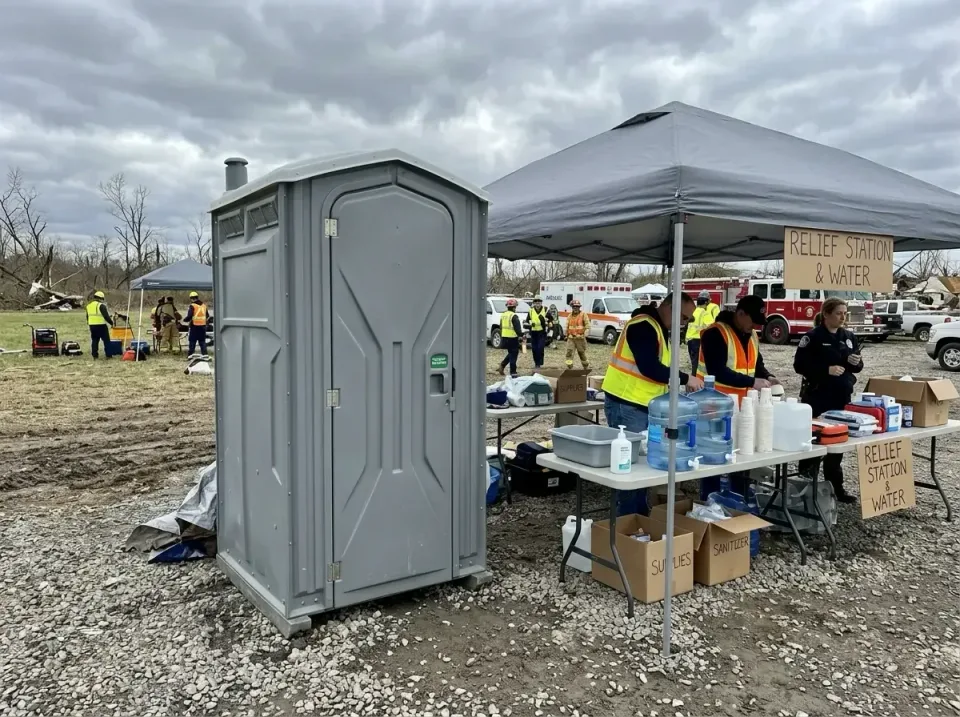
A toilet can meet a crew’s immediate need and still cause trouble if trucks cannot reach it or workers cannot approach it safely. Start with considered site placement: choose a firm, level spot near the work area, outside vehicle paths, and accessible to the service truck.
Heavy rain can leave saturated or muddy ground, so inspect the surface rather than assuming yesterday’s access will hold. A unit that sinks or tilts may become difficult to use and harder to service. That can cost time as well as create a sanitation problem.
On a large or changing site, identify who can approve a move and who will keep the route clear. Around Black Lake Boulevard, our delivery planning starts with the actual entrance and work zone not just a pin on a map.
Keep an accessible route free of obstructions, including stored materials, cords, and temporary fencing. If the chosen location becomes soft, tell the rental provider before a service visit so the crew can review access and placement.
Does Crew Growth Change the Sanitation Plan?
Yes, a larger or changing workforce can make an old placement and service plan inadequate. Keep a current headcount, note shift overlap, and revisit the facility setup when crews or work areas change. Do not wait for workers to report a problem before checking whether the arrangement still serves the site.
Freshwater supply is another practical check when the setup includes a handwashing facility. Confirm who monitors it and how a refill is requested; an empty supply leaves workers without the intended handwashing option.
Cool, wet weather may increase servicing needs, particularly when muddy boots and steady site activity add to day-to-day use. Set a review routine with the site contact and report changes in use instead of treating the initial schedule as permanent.
When Should You Adjust Service or Call a Pro?
If a unit is difficult to reach, unstable, damaged, or repeatedly becoming unusable between visits, stop treating it as a minor inconvenience. Contact the provider and describe the issue, current access, and how many workers are using the facility. A rental cost is affected by the unit selected, rental duration, delivery distance, servicing frequency, and site conditions; a clear site description helps produce a useful scope rather than an incomplete estimate.
Some checks are appropriate for the site team: keep the route clear, monitor use, and report a low supply or visible damage. Call a professional when the unit needs pumping, relocation involving a service truck, or a revised service plan. Do not attempt to handle waste yourself. We use the reported site conditions and access details to coordinate the next practical step.
What Should Tumwater Crews Confirm Before Work Starts?
Write down the delivery entrance, placement point, service access, site contact, and expected crew changes. Make sure the person arranging the rental knows whether the unit must move as phases of work shift. These details matter more than a vague instruction to leave a toilet somewhere near the site.
Our experience serving Tumwater crews has taught us to ask about ground conditions and truck access early. A quick site walk or clear description can prevent a delivery from landing in the wrong place. For more planning guidance, read How OSHA 29 CFR 1926.51 Sets Construction Toilet Requirements and see our construction site toilet rental options.
Which Toilet Setup Fits Your Construction Site?
Choose a setup based on crew needs, available space, and the worksite’s access not appearance alone. Near Old Highway 99, the delivery approach may differ from a tighter site reached from U.S.
Route 101, so confirm truck access before choosing. Interstate 5 is a useful local reference when coordinating directions, but the crew still needs to provide the actual site entrance. Frequent winter overcast and damp conditions can make a firm placement area especially important.
| Option | Best for | Key detail |
|---|---|---|
| Standard portable toilet | Basic construction-site access | Standard cabin is approximately 4 feet wide |
| ADA accessible toilet | Wheelchair-accessible restroom access | Wider cabin with accessible entry |
| Flushable portable toilet | A flush-and-waste-tank setup | Uses freshwater and a waste tank |
| Portable urinal | Multiple users needing a separate fixture | Multi-user unit |
| Restroom trailer | Sites needing indoor-style facilities | Multi-stall configurations |
A hand-wash station can be added where crews need a separate place to wash hands.
How Should You Prepare a Site for OSHA Toilet Service?
A few site checks help delivery and recurring service go smoothly. Prepare before the truck arrives.
-
Confirm the route: Give the driver the correct entrance and directions from Capitol Boulevard, then identify any gate or access limits.
-
Choose stable ground: Pick a level area close to the work zone, away from traffic, and with room for the truck to approach.
-
Check overhead clearance: Look for branches, wires, or other obstacles that could interfere with the delivery vehicle.
-
Name a site contact: Share the contact’s details and the delivery window so the driver can coordinate arrival and placement.
-
Keep service access open: Make sure equipment, materials, and parked vehicles do not block the unit between visits.
-
Plan for weather: Occasional snow can disrupt delivery access, so check the route and placement area before a scheduled visit, including at a site near Millersylvania State Park.
Tell the provider promptly if site access or work conditions change.
Need Help Meeting OSHA Toilet Rules in Tumwater?
A crew’s headcount changes, or an active work area shifts beyond the original restroom location. Recheck the setup promptly. OSHA’s construction ratios call for one toilet for 20 workers or fewer, one seat per 40 workers when there are 20–200, and one seat per 50 workers when there are more than 200. A compliant count is only part of the plan; placement and access matter too.
We coordinate construction toilet delivery and service around the details the site provides. Bush Prairie projects may have different access needs from a job reached via Capitol Way, so share the entrance and work-zone location when requesting a quote.
High humidity during rainy months is another reason to discuss use and service needs clearly. For a practical next step, contact Washington Toilet Rentals about construction site toilet rental and provide your crew count, schedule, and delivery access.